
29 Sept 2026
For farmers, some days are measured not in hours, but in hectares. During planting, spraying, tillage and harvest, every available hour can matter. Weather windows are narrow, crops wait for no one, and long days in the cab can become the reality of running a modern farm.
But what if some of that workload could be made easier?
Precision farming technology is usually discussed in terms of yield, fuel savings, input efficiency and return on investment. These benefits are important. But there is another benefit that is just as relevant to farmers: time and workload. By adding GNSS guidance, automated steering and application control to farming machinery, farmers can reduce some of the repetitive work involved in driving precise passes across the field, and spend more time focusing on the farm business, planning, family, or simply recovering after a demanding day.
Peak seasons can put enormous pressure on farmers. Planting may need to happen within a narrow weather window. Spraying must be completed at the right time. Harvest can require long days and sometimes night-time operation.
During these periods, the challenge is not only getting the work done. It is maintaining accuracy and concentration after hours behind the wheel. Even experienced operators can become tired when repeatedly steering a machine along perfectly spaced rows for hours, and this is where automation can make a practical difference.
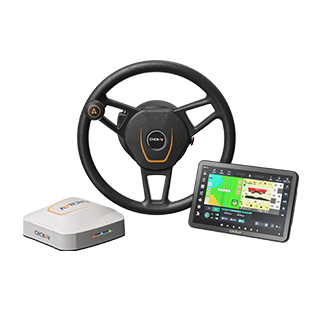
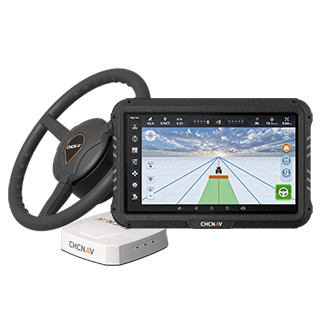
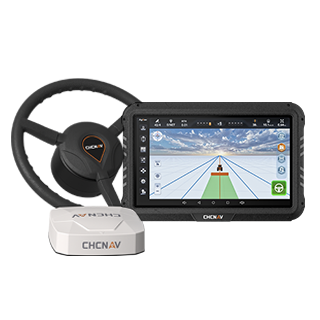
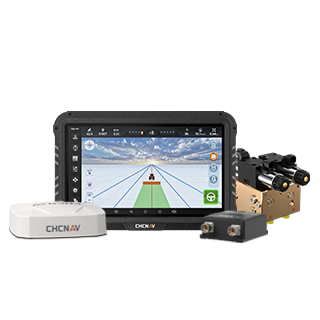
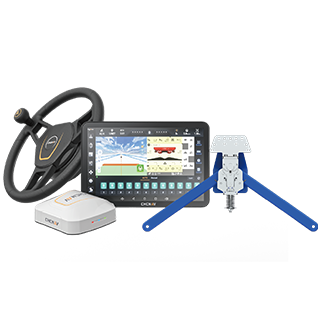
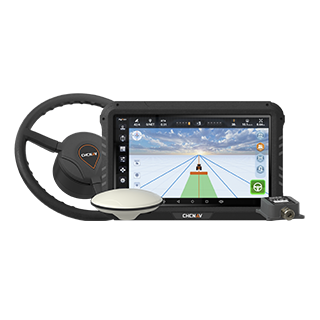
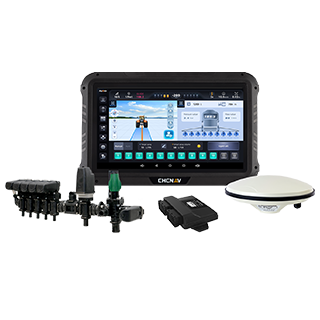
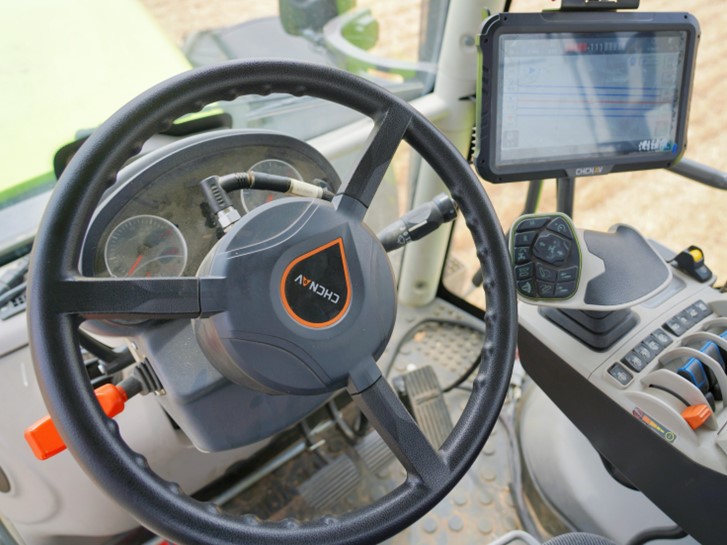
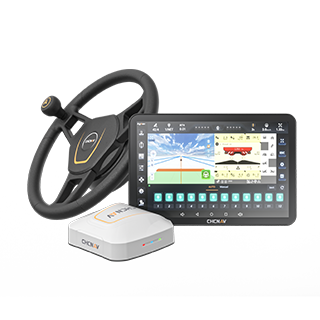
CHC Navigation auto-steering systems use high-precision GNSS positioning and automated steering to help agricultural machinery maintain planned paths. Instead of constantly making small steering corrections, the operator can monitor the operation while the system handles much of the repetitive steering task. The NX610 and the NX612 are the systems most farms start with, and they fit a range of vehicle types rather than tractors alone. If you want the mechanics rather than the benefits, our explainer on how automated steering works on a tractor covers them in detail.
The result is not that the farmer becomes unnecessary. The opposite: the farmer can spend more attention on the things that actually require human judgment. Machine settings. Crop conditions. Implements. Field conditions. Weather. Unexpected obstacles. The overall operation.
The machine handles the line.
Driving the same area twice is expensive. Overlap can mean wasted seed, fertilizer, chemicals, fuel, time and machine hours. Missed areas can create another problem: the need to return and correct the work.
Precise guidance helps keep passes aligned, reducing unnecessary overlap and skips. Our precision agriculture portfolio is designed around this principle across planting, spraying, tillage and harvesting. For the farmer, this means something simple: less time correcting yesterday's work means more time for tomorrow's priorities.
The value of automation becomes particularly visible during the busiest parts of the year.
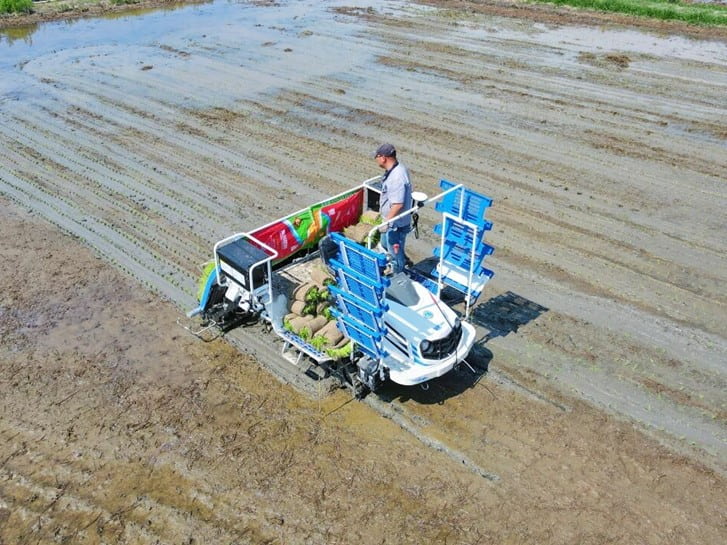
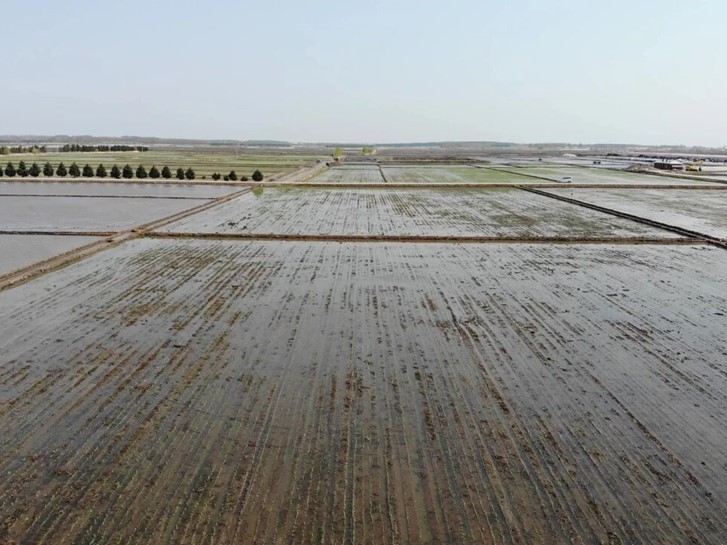
Precise steering can help maintain consistent rows and reduce overlap, helping farmers make better use of seed, field space and limited planting windows.
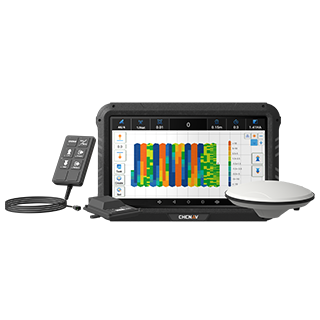
Accurate paths and application control can reduce skips and overlaps, helping ensure inputs are applied where they are needed. The SprayX100 automation kit for sprayers adds section control that detects treated area automatically, and the IS100 implement guidance system keeps the implement itself on the intended line rather than only the vehicle pulling it.
Consistent guidance can reduce unnecessary passes, helping save fuel and time while limiting unnecessary soil compaction. Where the ground itself needs work, the IC100 land leveling system handles that task under GNSS control.
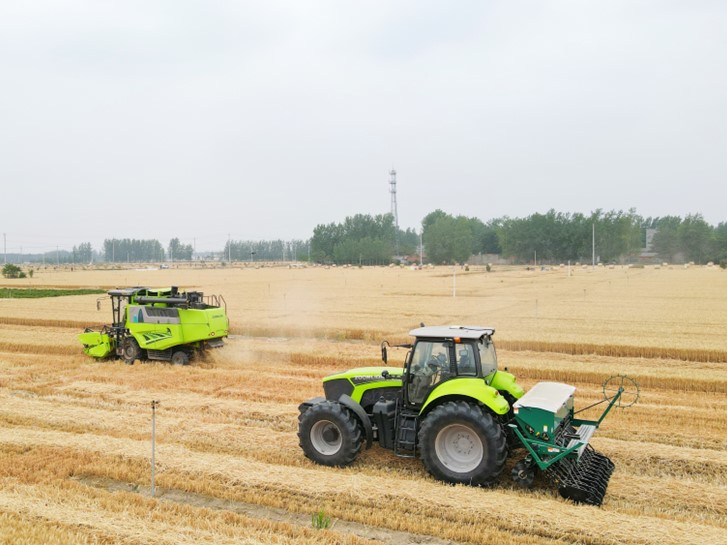
Harvesting does not always happen in perfect daylight or comfortable conditions. Dust, darkness and long working days can make maintaining accurate machine paths more difficult. Precision guidance can help operators hold their planned path in challenging conditions and extend the available harvesting window, and the HG100 harvester row guidance system is built for that stage specifically.
Perhaps one of the least discussed benefits of automated steering is mental workload. Driving a tractor accurately for hours requires continuous concentration. Small corrections may seem insignificant individually, but repeated thousands of times during a long working day, they add up.
Automated steering can take over much of this repetitive task. That does not mean the operator can simply stop paying attention. It means the operator can spend less mental energy keeping the machine precisely on the line, and more on monitoring the machine, implement, crop, field and surroundings. For long days, that difference can matter.
The biggest benefit may not be measured in centimeters or hectares. It may be measured in what a farmer can do with an hour that no longer needs to be spent on repetitive work. That hour could be used to:
This is especially important as farms become larger and farming operations become more complex. Technology should not only help farmers produce more. It should help make the business more manageable.
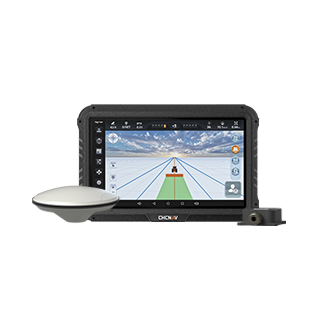
Our precision agriculture solutions combine GNSS positioning, automated steering, guidance, land leveling and application control across different stages of farming. Steering systems automate the pass, while application control and implement guidance address the other repetitive precision tasks. For operators who prefer to steer themselves, the Guide 10 provides the on-screen guidance line without taking over the wheel.
The goal is not to automate farming for the sake of automation. It is to automate the parts of farming that machines can perform consistently, so farmers can focus on the parts that require experience, judgment and planning. If you are earlier in that decision, our guide to how satellite positioning is used on the farm is the place to start.
Precision agriculture is often presented as a way to increase yield or reduce input costs. But there is another way to measure its value: how does it change the farmer's day? Fewer steering corrections. Fewer overlaps. Fewer unnecessary passes. Less repetitive work. More consistent operations. Less operator fatigue. And potentially, more time to focus on the farm rather than constantly driving the machine.
The busiest seasons will always be demanding. Farming will always require hard work. But smart technology can help make that hard work more efficient, and perhaps a little more sustainable for the person sitting in the cab.
Precision farming technology is ultimately not just about making machines more accurate. It is about making farming more manageable. When a tractor can hold its line, when a sprayer can reduce unnecessary overlap, when a harvester can maintain its path in difficult conditions, and when the farmer can spend less energy on repetitive steering, technology starts to provide something that cannot be measured only in hectares or liters of fuel.
It gives farmers more control over their work, and potentially more control over their time. Because a smarter farm is not only one that produces more. It is one that gives the farmer more time to think, plan, improve and live.
CHC Navigation (CHCNAV) develops advanced mapping, navigation, and positioning solutions designed to increase productivity and efficiency. Serving industries such as geospatial, agriculture, machine control and autonomy, CHCNAV delivers innovative technologies that empower professionals and drive industry advancement. With a global presence spanning over 140 countries and a team of more than 2,200 professionals, CHC Navigation is recognized as a leader in the geospatial industry and beyond. For more information about CHC Navigation [300627.SZ], please visit: https://agriculture.chcnav.com/about/overview
Have a question about our precision agriculture systems?