
29 de abr de 2026
A agricultura moderna está a ser moldada por um impulso constante no sentido de uma maior precisão no campo, menores custos de combustível e de insumos por hectare e um rendimento mais consistente em condições variáveis. Com a população global projectada para atingir 9,7 mil milhões até 2050, a pressão sobre cada hectare de terreno agrícola está a aumentar e as tecnologias que ajudam os agricultores a fazer mais com os mesmos recursos passaram de complementos opcionais para o centro do funcionamento de uma operação moderna de agricultura de precisão.
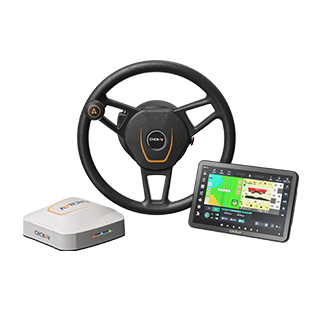
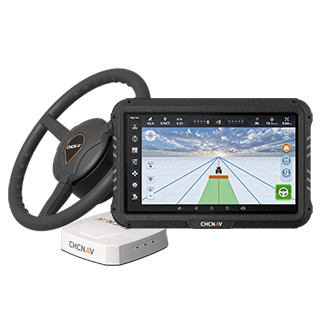
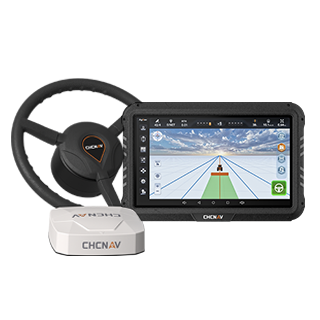
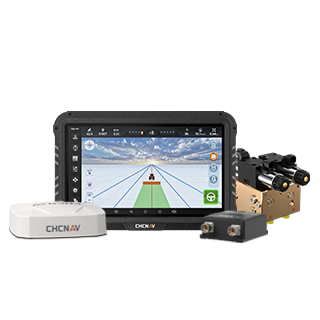
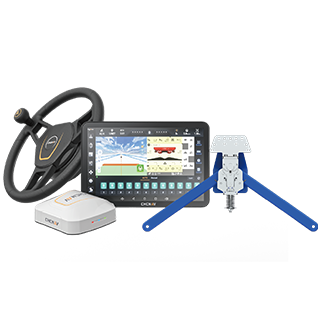
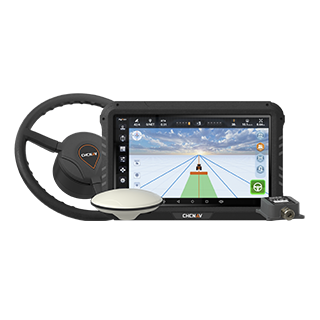
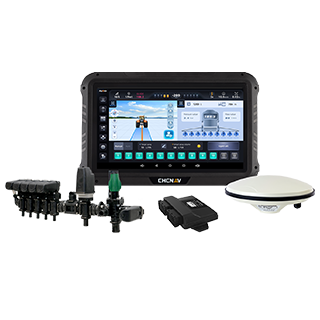
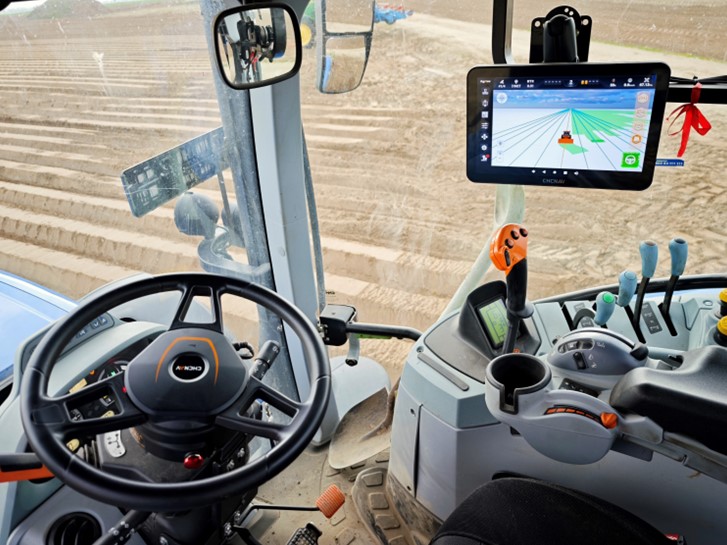
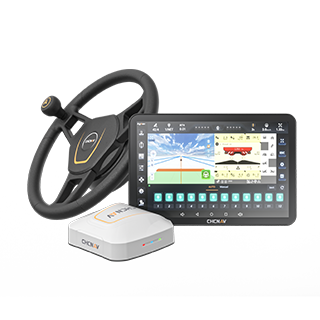
Os sistemas de direção automática são uma das tecnologias mais visíveis nesta curva. Ao assumir o trabalho rotineiro de direção, permitem que o operador se concentre no lado agronómico do trabalho e mantenha cada passagem a centímetros da linha planeada. O CHCNAV NX610 é um exemplo construído para esta função, integrando-se numa vasta gama de equipamentos agrícolas como uma solução pós-venda.
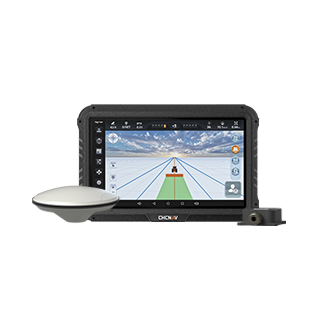
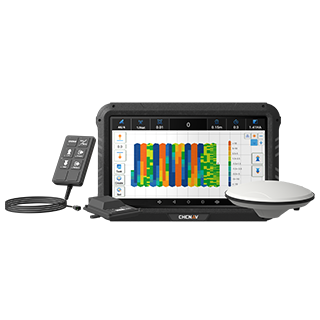
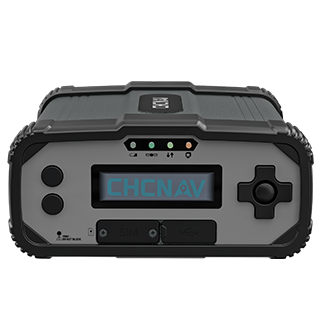
Por detrás de cada sistema de direção automática está um conjunto de tecnologias de posicionamento. O NX610 combina GNSS RTK para posicionamento ao nível centimétrico, um sistema de navegação inercial (INS) para compensação do terreno, comunicação ISOBUS normalizada para que o equipamento de diferentes fabricantes possa interoperar, uma roda eléctrica de elevado binário para um controlo reativo e um visor industrial para decisões rápidas na cabina. A integração estreita entre o GNSS e o INS é o que mantém a precisão da linha em terrenos onde o GNSS por si só pode perder a localização.
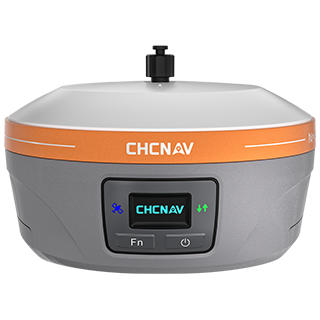
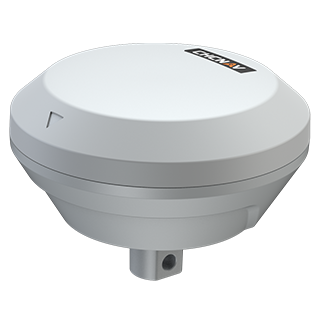
A outra metade da equação da agricultura de precisão é a infraestrutura de correção. As correcções RTK podem provir de uma rede ou de uma estação de base local. Qualquer que seja a rota utilizada por uma exploração agrícola, uma estação de referência forte é a base de uma precisão centimétrica fiável. A estação de referência GNSS CHCNAV P5 monitoriza várias constelações, suporta saída de rádio 4G e UHF e foi concebida para funcionamento contínuo no exterior. Pode ligar-se a uma rede RTK existente ou ancorar uma nova, dando aos operadores uma fonte de correção estável, mesmo em locais remotos onde a cobertura móvel é irregular.
Em todo o sector agrícola, as tecnologias de precisão estão a passar de aumentos opcionais a expectativas básicas. As explorações agrícolas que integram o guiamento de tractores, GNSS RTK, INS e infra-estruturas de correção fiáveis não estão apenas a perseguir o rendimento. Estão a construir operações que se podem adaptar a custos de insumos mais elevados, mercados de trabalho mais apertados e um clima que oferece menos janelas de trabalho ideais. A CHC Navigation continua a investir nesta pilha para que a agricultura de alta precisão se mantenha acessível a operações de todas as dimensões.
A CHC Navigation (CHCNAV) desenvolve soluções avançadas de cartografia, navegação e posicionamento, concebidas para aumentar a produtividade e a eficiência.Servindo indústrias como a geoespacial, a agricultura, o controlo de máquinas e a autonomia,A CHCNAV fornece tecnologias inovadoras que capacitam os profissionais e impulsionam o avanço da indústria.Com uma presença global que abrange mais de 140 países e uma equipa de mais de 2.200 profissionais, a CHC Navigation é reconhecida como um líder na indústria geoespacial e não só.Para mais informações sobre a CHC Navigation [Huace:300627.SZ], visite:https: //www.chcnav.com/about/overview
Encontre a solução certa para a agricultura de precisão
Pretende melhorar a precisão e a eficiência das suas operações no terreno? Obtenha orientação especializada para escolher a tecnologia certa para o seu equipamento agrícola.