
24 Jul 2026
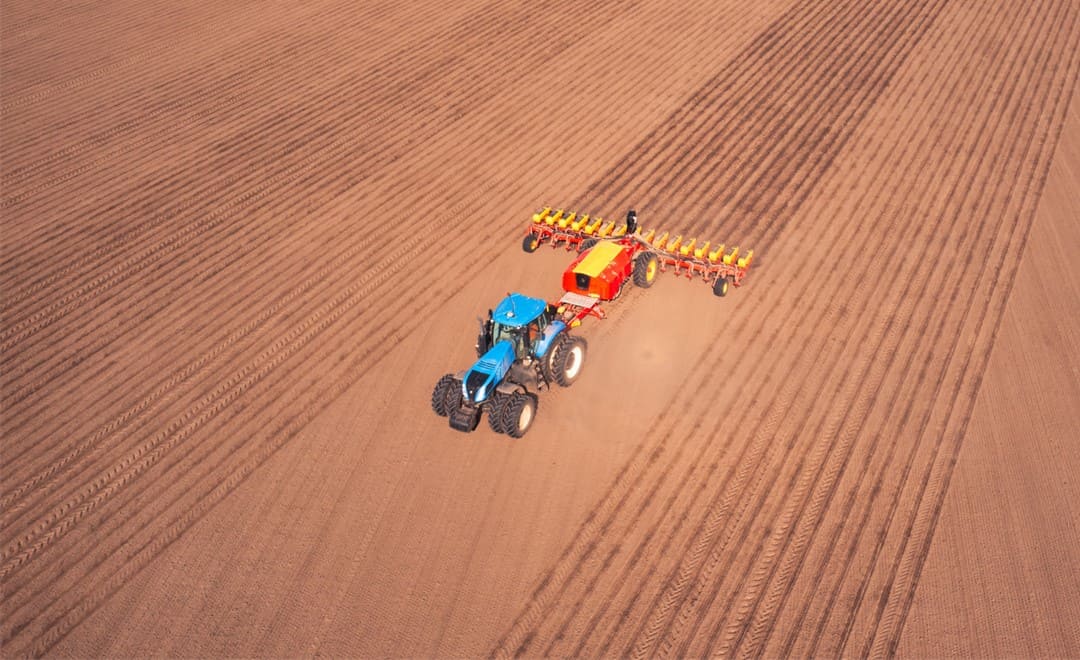
Modern farms are under pressure from every direction. Input costs for fuel, seed, and fertiliser keep climbing, skilled operators are harder to find, and field conditions vary from one corner of a paddock to the next. Doing more with less is no longer a goal; it is the condition of staying profitable. This is the gap that smart farming solutions are built to close. By bringing satellite positioning, automated guidance, and field data together, technology now lets growers place every seed, spray, and pass exactly where it belongs.
At CHC Navigation, smart farming is not a single product but a connected set of precision farming systems and field tools that work across the season. This guide explains what those solutions are, the systems behind them, and how they change the economics of running a farm.
Smart farming solutions are technologies that use accurate positioning and data to automate and optimise field operations. At their core sits GNSS (Global Navigation Satellite System) positioning, which tells a machine exactly where it is in the field, often to within a few centimetres. Layered on top are automated steering, variable-rate control, and software that records and plans every operation.
The terms smart farming and precision agriculture are closely related. Precision agriculture describes the practice of managing a field by its real, measured variability rather than treating it as uniform. Smart farming is the wider set of connected tools and systems that make that practice possible day to day. In short, precision agriculture is the goal, and smart farming solutions are how growers reach it.
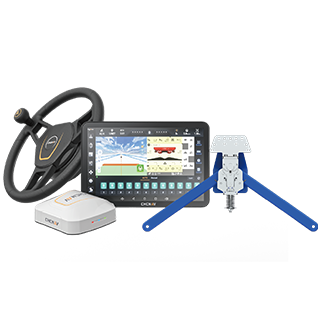
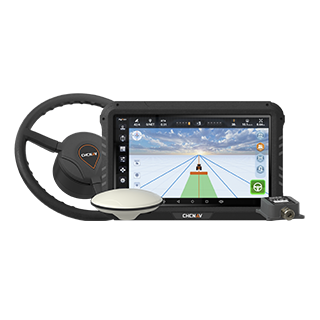
Effective precision agriculture systems are modular. A grower can start with guidance on one machine and add capability as needs grow. Our agriculture lineup covers the core categories that make up a complete smart farming setup, from steering to land levelling and application control.
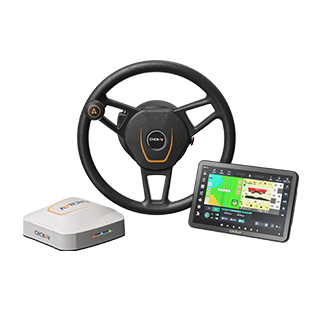
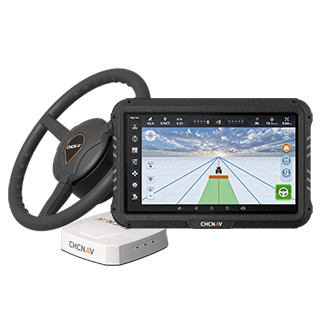
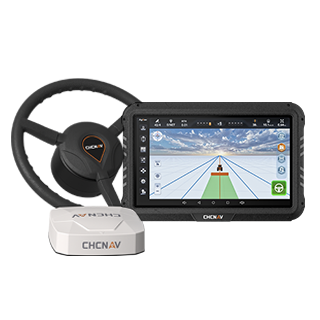
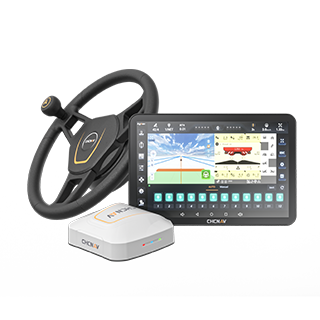
Automated steering keeps a machine on a planned line with centimetre-level repeatability, reducing skips and overlaps on every pass. The NX610 delivers auto-steering and retrofits onto machines a grower already owns. The NX612 is our advanced automated steering system for operations that need the highest consistency. For fully automated steering on a dedicated platform, the X10 rounds out the range.
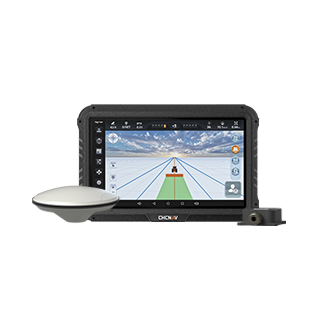
Auto-steering is not limited to tractors. Our systems are compatible with a variety of vehicle types, including self-propelled sprayers, rice transplanters, and large harvesters, so the same investment carries across a fleet. For operators who prefer to steer manually, the Guide 10 manual guidance system shows a clear on-screen guidance line to follow, an accessible entry point into precision farming systems.
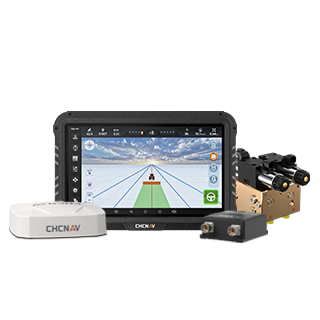
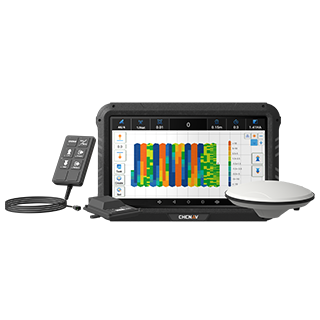
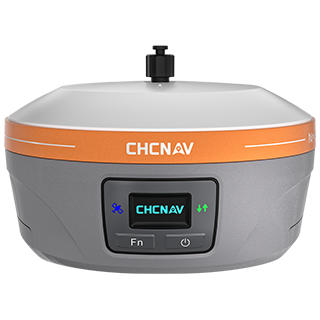
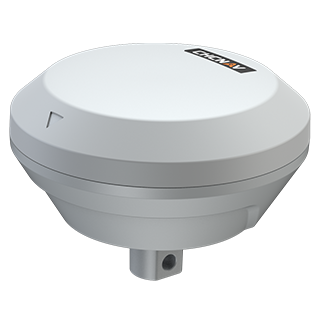
Beyond steering, smart farming setups add land levelling systems for precise grading and drainage, GNSS base and rover systems that supply the positioning corrections the whole operation relies on, and application control systems that manage inputs across the field. Together these turn a single machine into part of a coordinated, data-driven operation.
Where systems provide the positioning backbone, precision agriculture tools apply it to specific jobs. The right precision farming tools let a grower carry accuracy through the whole season rather than at one stage only.
The value of smart farming solutions shows up in measurable savings and gains across the season:
Taken together, these gains make precision agriculture systems a practical response to rising costs and tighter labour, not a luxury reserved for the largest operations.
A smart farming setup can start small and grow. Many growers begin with guidance on one machine, then add automated steering, spraying automation, and land levelling as the benefits prove out. Because our systems retrofit across mixed fleets and many vehicle types, the path forward does not require replacing existing machines.
To see how the pieces fit a specific operation, explore our precision agriculture solutions, where each system category is matched to the field tasks it supports.
Smart farming solutions are technologies that use accurate GNSS positioning and data to automate and optimise field operations, from steering and seeding to spraying and harvesting. They combine precision farming systems, software, and field tools so growers can manage a field by its real variability.
Precision farming, or precision agriculture, is the practice of managing a field by its measured variability rather than treating it as uniform. Smart farming is the wider set of connected systems and tools that make that practice possible. Precision agriculture is the goal; smart farming solutions are how growers achieve it.
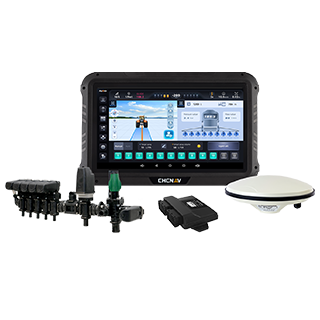
Our agriculture range covers automated steering (NX610, NX612, and X10), manual guidance (Guide 10), land levelling, GNSS base and rover systems, and application control, plus field tools such as the SprayX100 spraying automation kit. The systems work together as a complete smart farming setup.
Yes. The NX610 and NX612 retrofit onto machines a grower already owns and are compatible with a variety of vehicle types, including tractors, self-propelled sprayers, rice transplanters, and large harvesters, so the same investment carries across a mixed fleet.
Not necessarily. The Guide 10 manual guidance system offers an accessible entry point. As accuracy needs grow, GNSS base can supply RTK corrections for centimetre-level repeatability.
Smart farming solutions turn rising costs and labour pressure into an opportunity to farm more precisely. With the right precision farming systems for steering and positioning, and the right precision agriculture tools for each field task, growers can cut waste, lift yields, and build a record they can improve on year after year. The technology is modular and retrofit-friendly, so the first step can be small and the path forward stays open.
CHC Navigation (CHCNAV) develops advanced mapping, navigation, and positioning solutions designed to increase productivity and efficiency. Serving industries such as geospatial, agriculture, machine control and autonomy, CHCNAV delivers innovative technologies that empower professionals and drive industry advancement. With a global presence spanning over 140 countries and a team of more than 2,200 professionals, CHC Navigation is recognized as a leader in the geospatial industry and beyond. For more information about CHC Navigation [Huace:300627.SZ], please visit: https://agriculture.chcnav.com/about/overview
Have a question about our solutions or dealership opportunities?